ビザ・大使館の視点
中国のダミーチケットは、ビザ申請とともに大使館またはVFSセンターに提出する文書です。これは、領事官があなたの旅行期間が要求されたビザカテゴリーと一致していることを確認できるように、計画された旅行日程を示します。このページでは、大使館提出要件、処理時間の考慮事項、中国のビザ料金の文脈に焦点を当てています。
中国の大使館官がダミーチケットで確認すること
中国の大使館の審査官が求めるものは:(1) パスポート申請と一致するフル乗客名、(2) 要求したビザ有効期間内の日付、(3) ビザカテゴリーが短期滞在の場合は往復日程、(4) 実際の形式のPNR / 予約参照、(5) 都市名だけでなくIATAコードの空港。ホテル予約日との不一致が最も一般的な警告サインです。
ビザ審査
中国のビザ処理時間と書類チェックリスト
中国のビザ申請において、ダミーチケットは他のいくつかの文書(ビザフォーム、写真、財務証明、ホテル予約、旅行保険)の中の一つです。大使館は通常、ダミーチケットだけで申請を処理することはありませんが、ダミーチケットが欠落または無効であることは拒否の文書化された理由です。大使館の処理ウィンドウ全体で日程が有効であることを確認するために、早めに提出してください。バッファとして5〜10日を追加してください。
ガイド
中国 用のダミーチケットとは何ですか?
ダミーチケット(フライト・イティネラリー、仮フライト予約とも呼ばれます)は、ビザ申請の要件を満たすための正当な仮予約です。中国のビザ申請では、大使館は継続または帰国の旅程の証明を求めますが、承認前に払い戻し不可の航空券を購入することは想定していません。
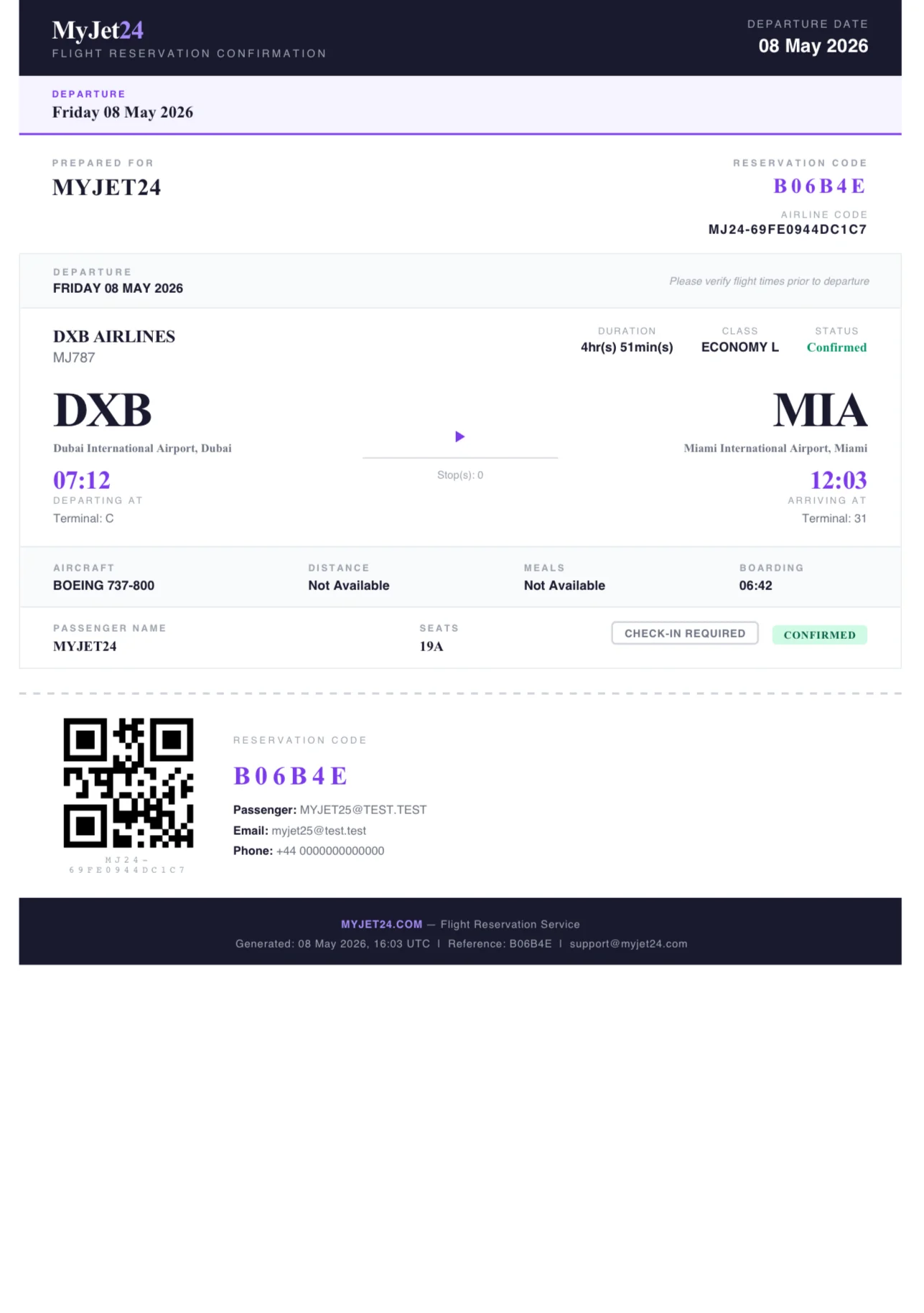
MyJet24は、航空会社形式の予約番号が入ったフライト予約PDFを無料で生成します。ビザ申請に添付する、入国審査で提示する、チェックイン時に継続旅行の証明として見せる、といった使い方ができます。
ビザ要件
中国 ビザおよび入国情報
滞在制限
30~60日間(Lビザ)または240時間トランジット
中国は多くの国籍に事前ビザ申請(COVA)とビザ申請センターでの予約が必要。55カ国は指定65港での240時間トランジットが免税で可能だが、確定した出国便の提示が条件となる。
ステップバイステップ
中国:航空予約を査証申請に添付する方法
1
ダミーチケットを作成
上のボタンを押し、旅行情報を入力してください。無料のフライト・イティネラリーPDFが30秒で用意できます。
2
ビザ申請書類に添付
PDFを中国のビザ書類に添付してください。大使館が受け付けるのはフライト予約であり、購入済み航空券ではありません。
3
必要なら搭乗手続きで提示
一部の航空会社は継続旅行の証明を求めます。搭乗ゲートでダミーチケットのPDFを提示してください。
4
承認後に本物の航空券を予約
ビザが承認されたら、任意の航空会社で本物の航空券を予約してください。
チケットの種類
無料版か Premium か — 中国 の申請にはどちらを
中国 の大使館はどちらも受け付けます。Premium は 大使館 の担当者により専門的に見え、追加の質問を避けられます。
無料
$0
✓
即時PDF
✓
PNR / 予約番号
✓
QRコード
✓
6,000以上の空港
✗
MyJet24のブランド表記
✗
一般的な航空会社名
✗
メール確認なし
最も本物に近い
Premium
$7.90 買い切り
有料の他社のおよそ半額 — 多くは14〜16ドルです。こちらは7.90ドル。
COVA + CVASC · 2ステップ申請
中国 L 観光ビザ申請 — 2026年のための COVA + CVASC 完全ガイド
多くの国が単一のオンライン e-Visa ポータルを運営しているのに対し、中国は2ステッププロセスを採用しています。これは、COVA(中国オンラインビザ申請)ポータルを通じたオンライン提出の後に、中国ビザ申請サービスセンター(CVASC)での対面での予約が必要です。純粋な e-Visa は存在せず、すべての申請者は CVASC オフィスを直接訪れるか、承認された宅配便を通じてパスポートを送付する必要があります。このガイドでは、一般的な 10 ステップの COVA + CVASC フローを説明します。
✓ 2024年1月の書類簡素化
2024年1月1日から、中国は標準 L 観光ビザ申請において、旅行日程、往復航空券、ホテル予約、招待状の提出を必須要件から外しました。これらは初めての申請者やバックグラウンドチェックが必要な国籍の方には推奨されますが、承認のために厳密には必要ありません。
10の普遍的なステップ
1
ビザ免除資格を最初に確認
申請する前に、240時間のビザ免除トランジットポリシー(55の国籍 — セクション3を参照)に該当するか確認してください。該当する場合、ビザ申請なしで最大10日間中国を旅行できます。旅行が10日を超える場合や、旅行日程がトランジットルールに合わない場合は、L 観光ビザを申請してください。
2
ビザの種類を決定
L(観光)、M(ビジネス)、Q(中国国籍者の家族)、Z(就労)、X(学生)、G(240時間を超えるトランジット)。観光の場合は、L 観光ビザを選択してください。詳細な判断ツリーはセクション2を参照してください。
3
bio.visaforchina.cn にアカウントを作成
公式の COVA ポータルです。メール確認が必要です。頻繁にチェックするメールを使用してください — すべてのステータス更新がここに届きます。「中国ビザ代理店」を名乗る第三者サイトは避けてください。
4
COVAオンラインフォームを完成させる
パスポートの詳細、旅行計画(目的地の省、日付)、雇用状況、中国の家族連絡先(ある場合)、旅行履歴(過去5年)。フォームの記入には30〜45分かかります — 進捗を保存し、提出前に十分に確認してください。
5
デジタル写真をアップロード
中国では33×48 mmを使用します — Schengenの35×45、UAEの43×55、タイの35×45、フィリピンの51×51とは異なります。背景は純白で、耳が見えること、眼鏡は不可、額を覆う髪は不可です。主要なビザシステムの中で最も厳しい写真基準です。詳細な仕様はセクション4を参照してください。
6
COVA確認書 + ビザ申請書を印刷
オンライン提出後、COVAポータルはバーコード付きの確認PDFと署名入りのビザ申請書を生成します。両方を印刷してください — CVASCの予約時に必要です。申請書には手書きで署名してください。
7
CVASCの予約をする
居住国(国籍ではなく)に対応する CVASC で予約してください。主要な場所:ワシントンDC、ニューヨーク、サンフランシスコ、ロンドン、ベルリン、フランクフルト、トロント、シドニー。予約は無料です。待機時間は、オフシーズンでは当日、ピークシーズンでは2週間程度です。
8
対面での CVASC 予約に出席
持参するもの:原本のパスポート(有効期限6ヶ月以上、空白ページ2枚)、印刷した COVA 確認書、署名入りビザ申請書、印刷した写真(33×48 mm)、居住証明(公共料金の請求書または賃貸契約)。オプションのサポート書類:
無料の MyJet24 ダミーチケット、ホテル予約、雇用証明書。この予約時に生体認証の指紋が取得されます(2019年から14〜70歳に必須)。
9
ビザ手数料 + サービス料の支払い
ビザ手数料は国によって異なります:アメリカ市民 USD 185、EU EUR 90、イギリス GBP 151、オーストラリア AUD 109、カナダ CAD 142。さらにCVASCサービス料 USD 30-65。エクスプレス(2-3日)+USD 30-50。ラッシュ(1日)+USD 60-100。CVASCでカードまたは現金で支払い。拒否された場合は返金不可。
10
ビザシール付きパスポートの受け取り
標準で4営業日。CVASCでの対面受け取りまたは承認された宅配サービス(FedEx/DHL ~USD 25-50)を利用してください。ビザシールはパスポートに貼り付けられます — 中国到着時にホテル登録や警察検査のためにバックアップのコピーを印刷してください。
情報源: 中国ビザ申請サービスセンター (CVASC) — bio.visaforchina.cn · 中国国家移民管理局
ビデオウォークスルー · 9:16
視聴: COVA + CVASCを通じた中国L観光ビザの申請を60秒で
中国のL観光ビザの流れを視覚的に説明します — bio.visaforchina.cnでのCOVA(中国オンラインビザ申請)オンライン提出、必須のCVASC対面予約、写真のアップロード(33×48 mm、白背景、耳が見える、メガネ不可 — アジアで最も厳しい)、書類提出、4日間の標準 / 2-3日エクスプレス / 1日ラッシュの決定基準。CVASCの予約をする前にこのビデオを視聴して、誤った写真や誤った管轄による拒否の罠を避けてください。
中国Lビザまたは240時間のトランジットのためのフライト予約が必要ですか? 30秒で無料PDFを生成 →
ビザタイプ決定ツリー
中国ビザ決定ツリー — L / M / Q / Z / X / G + 240時間トランジット
中国では、中国語のピンイン発音に基づいた単一文字のビザコードを使用しています(L = Lüyou = 観光、M = Maoyi = ビジネス、Q = Qinshu = 親族)。誤ったカテゴリーを選択すると、返金不可の手数料が無駄になり、旅行が数週間遅れる可能性があります。以下のマトリックスは、現実的な旅行プロファイルをすべて示しています。
| ビザタイプ |
コードの由来 |
滞在期間 |
費用 |
最適な用途 |
| 240時間トランジットビザ免除 | 政策のみ | 最大10日 | 無料 | 第三国へのトランジットを行う55の国籍 |
| L観光シングルエントリー | Lüyou (旅游) | 30日 | USD 30-185 | 最大30日間の標準観光旅行 |
| L観光マルチエントリー1年 | Lüyou | 1回の入国につき60日 | USD 90-260 | リピート観光客、地域探検者 |
| L 10年マルチエントリー | Lüyou | 1回の入国につき60-90日 | USD 140-185 | アメリカ / イギリス / カナダ / アルゼンチン / イスラエル / シンガポール市民のみ |
| Mビジネスシングル / マルチ | Maoyi (贸易) | 30-90日 | USD 30-260 | ビジネス会議、貿易フェア |
| Q1 / Q2家族訪問 | Qinshu (亲属) | Q1: 180日以上; Q2: 30-180日 | USD 30-185 | 中国市民 / PRへの家族訪問 |
| Z労働ビザ | Zhiye (职业) | 30日後に居住許可に切り替え | USD 30-185 | 中国企業に雇用されている(労働許可が必要) |
| X1 / X2学生ビザ | Xuesheng (学生) | X1: 180日以上; X2: 180日未満 | USD 30-185 | 入学許可書を持つ大学生 |
| Gトランジット(240時間以上) | Guojing (过境) | 最大10日 | USD 30-90 | 240時間ビザ免除の対象外のトランジット旅行者 |
旅行プロファイルによる決定ツリー
北京での8-10日間のトランジット
240時間トランジットビザ免除(条件を満たし、次のフライトが第三国に向かう場合)。
2-3週間の観光旅行
L観光シングルエントリー(国籍に応じてUSD 30-185)。
アメリカ / イギリス / カナダのパスポート保有者、リピート旅行者
10年マルチエントリーLビザ — 最もお得です。セクション8を参照してください。
中国人配偶者 / 親を訪問
Q1 家族訪問(180日以上) — 中国の親族からの招待状と家族関係の証明が必要です。
展示会 / ビジネスミーティング
M ビジネスビザ — 中国企業からの招待状が必要です。
中国企業に雇用されている
Z ワークビザ — 中国の雇用主から発行された外国専門家労働許可証が必要です。
240時間ビザなしトランジット · 深掘り
240時間ビザなしトランジット政策 — 55の対象国向け完全ガイド2026
240時間ビザなしトランジット政策は2024年11月に開始され、従来の72時間および144時間の政策から拡大されました。対象の旅行者は、ビザ申請なしで中国に最大10日間(240時間)滞在できます — 競合他社のトランジット政策よりも大幅に広範です。この政策は、カジュアルな旅行者にとって中国のビザ法における最も重要な進展です。
55の対象国
ヨーロッパ(40)
全26のシェンゲン加盟国 + 英国、アイルランド、キプロス、ブルガリア、ルーマニア、ウクライナ、セルビア、クロアチア、ボスニア、モンテネグロ、北マケドニア、アルバニア、モナコ、ベラルーシ。
アメリカ大陸(6)
アメリカ、カナダ、ブラジル、メキシコ、アルゼンチン、チリ。
オセアニア(2)
オーストラリア、ニュージーランド。
アジア + 中東(7)
韓国、日本、シンガポール、インドネシア、ブルネイ、UAE、カタール。
5つの必須条件
- 対象国籍 — 上記の55のいずれか。
- 第三国/地域への確認済みの搭乗券 — 香港、マカオ、台湾は別の地域としてカウントされます。出発地への帰国券ではありません。到着から240時間以内に出発する必要があります。 MyJet24のダミーチケットで実際のPNRがこの要件を満たします。
- 65の指定された港のいずれかからの入国 — 下記のリストを参照してください。
- 入国日から3ヶ月以上有効なパスポート。
- 24の指定された省/自治区/直轄市内に滞在 — 北京、上海、天津、河北、江蘇、浙江、広東、四川、雲南、湖北、湖南、安徽、福建、江西、山東、山西、遼寧、黒竜江、吉林、内モンゴル、海南、広西、河南、重慶。
主要指定港(空港入国)
| 空港 | 都市 |
|---|
| PEK | 北京首都国際空港 |
| PKX | 北京大興国際空港 |
| PVG | 上海浦東国際空港 |
| SHA | 上海虹橋国際空港 |
| CAN | 広州白雲国際空港 |
| SZX | 深セン宝安国際空港 |
| CTU | 成都双流 / 天府空港 |
| KMG | 昆明長水国際空港 |
| +57のその他 | XIY、HGH、NKG、CKG、WUH、TAO、TSN、SYXなどを含む。 |
240時間トランジット政策の失敗の多くは「第三国」の誤解から来ています。例:アメリカ → 中国 → アメリカ = 対象外(出発地に戻る)。アメリカ → 中国 → 日本 = 対象(第三国)。アメリカ → 中国 → 香港 = 対象(香港は別の地域)。アメリカ → 中国 → 香港 → アメリカ = 香港の区間が240時間以内であれば対象。常に、搭乗券が出発地とは異なる国/地域に向かうことを確認してください — 日本、韓国、シンガポール、または香港へのMyJet24のダミーチケットが最も安全な設定です。
書類 · 中国の写真規格(アジアで最も厳格)
中国ビザ書類 + 写真仕様(33×48 mm、耳が見える、メガネ不可)
中国は、主要なビザシステムの中で最も厳格な写真基準を運用しています。写真の不適合はCVASCの拒否の第1の原因であり、COVAシステムは自動化されたAIベースの検証を行い、わずかな問題も見逃しません。アップロード時に写真を正しく取得して、予約枠やビザ料金を無駄にしないようにしましょう。
5つの必須書類(2024年以降の簡素化)
1. 原本のパスポート
中国入国日から有効な6ヶ月以上、ビザページが2ページ空白、損傷なし(水濡れ、破れたページ、欠落ページ → 自動的に拒否)。CVASCの予約には物理的なパスポートを持参してください。
2. 写真(33 × 48 mmの印刷物 + デジタルアップロード)
物理的な印刷物(33×48 mm)とデジタルアップロードの両方が必要です。純白の背景、耳が完全に見える、メガネ不可、額/眉を覆う髪の毛不可、ニュートラルな表情。アジアで最も厳格です。
3. 印刷されたCOVA確認書
オンライン提出後にbio.visaforchina.cnから取得したバーコード付きPDF。100%スケールで印刷 — バーコードはCVASCで機械読み取り可能でなければなりません。
4. サイン済みビザ申請声明
提出した情報の真実性を確認します。手書きでサイン(青または黒のインク)。オーバーステイの罰則に関する警告が含まれています。
5. CVASC管轄内の居住証明
最近3ヶ月の公共料金請求書、賃貸契約書、政府発行のID、またはCVASCの所在地と一致する運転免許証。居住地の管轄外のCVASC = 自動的に拒否。
中国の写真仕様 (COVA AI バリデーション)
| 仕様 |
必要な値 |
| 印刷寸法 | 33 × 48 mm (幅 × 高さ) |
| デジタル解像度 | 354-420 × 472-560 px |
| 背景 | 純白 — グラデーション、影、オフホワイトのトーンは不可 |
| 耳 | 両耳が完全に見えること — 髪が耳を隠してはいけません |
| 眼鏡 | いかなる状況でも許可されません(医療例外なし) |
| 額 + 眉毛 | 完全に見えること — 前髪やヘッドバンドは不可 |
| 表情 | 中立、口を閉じ、両目を開け、真っ直ぐ見ていること |
| ファイル形式 | JPEG / JPG, 40-100 KB |
| 最近性 | 過去6ヶ月以内 |
他のビザ申請からの最近のパスポートサイズの写真は、中国のCOVA AIバリデーションに失敗します: シェンゲン / タイ 35×45 mm(近いが間違い)、UAE 43×55 mm(間違い)、フィリピン / 米国 51×51 mm(間違い + 正方形)、インド 35×35 mm(間違い)。中国特有の33×48 mm + 耳が見える + 眼鏡なしは再利用できません。中国専用の新しい写真を撮影してください。主要都市のほとんどのプロの写真スタジオは「中国ビザサイズ」を知っています — 名前で頼んでください。
財務証明 + 2024年簡素化
中国ビザの財務証明 + 2024年1月の書類簡素化 — 何が変わったか
2024年1月1日より、中国は標準L観光ビザ申請における旅行日程、往復航空券、ホテル予約、招待状の必須要件を撤廃しました。これにより、書類の負担が大幅に軽減されましたが、財務証明、雇用確認、旅行履歴は依然として重要です。
2024年以前と以後の書類要件
| 書類 |
2024年1月以前 |
2024年1月以後 |
| 旅行日程 | 必須 | 任意(初めての方には推奨) |
| 帰国 / 継続航空券 | 必須 | 任意 ただし240時間のトランジットには依然として必要 |
| ホテル予約 | 必須 | 任意(推奨) |
| 招待状 | 訪問 / 家族用に必要 | L観光用には任意; Q/Mには依然として必要 |
| 銀行明細書 | 推奨 | 推奨(固定の最低額なし) |
| 雇用証明書 | 推奨 | 推奨 |
| 写真 + COVA + 明細書 + 住居 | 必須 | 必須 ✓(変更なし) |
任意書類を含めるべきタイミング
必ず含めるべき:初めての中国旅行者、バックグラウンドチェック対象国籍(パキスタン、イラン、イエメン、シリア、特定のアフリカ諸国)、過去の中国ビザ拒否、10年の複数入国ビザ申請、複数入国ビザ申請。
推奨:境界線上の財務プロフィール(銀行残高が5,000米ドル未満)、不安定な雇用履歴、30歳未満の単身申請者、対面インタビューなしでの宅配申請。
スキップ:過去に複数の中国ビザを持つ確立された旅行者、5年以上の安定した雇用、既存のビザパターンの定期更新のための申請の場合のみ。
中国は2024年の簡素化後、公式な最低資金基準を設定していません。しかし、CVASCの担当者は、予約時に財務状況を評価します。推奨残高:3,000米ドル(単一入国観光)、5,000米ドル(複数入国)、10,000米ドル以上(10年複数入国)。3-6ヶ月の安定した銀行明細書を提示し、最近の大きな入金は避けてください。給与明細や税務申告書は申請を強化します。
CVASC vs 大使館 vs エージェントチャネル
中国ビザチャネル — CVASC vs 直接中国大使館 vs 認可エージェント(eビザは存在しません)
ベトナム(evisa.gov.vn)、タイ(thaievisa.go.th)、インドネシア(molina.imigrasi.go.id)とは異なり、中国にはオンラインeビザポータルがありません。すべてのビザ申請には、物理的なCVASCの予約または直接の大使館訪問が必要です。COVAポータルでさえ、2段階プロセスの最初の半分に過ぎません。以下はチャネルの比較です。
| チャネル |
対象 |
処理 |
コスト |
最適 |
| CVASC(標準パス) | すべてのビザタイプ L/M/Q/Z/X/G | 標準4日、1-3日エクスプレス | USD 30-185 ビザ + USD 30-65 サービス | すべての観光ビザ + 大部分のカテゴリ |
| 中国大使館(直接) | 外交、複雑なQ1/X1、拒否の控訴 | 7-14日 | ビザ料金のみ | 限られたケース(ほとんどの国はCVASCに転送) |
| ライセンス旅行代理店 | すべて — 代理店があなたの代わりにCVASCに提出 | 7-14日 | ビザ料金 + USD 100-300 代理店手数料 | 遠隔申請者、団体旅行、複雑なケース |
| オンラインe-Visaポータル | 存在しません | 該当なし | 該当なし | 「中国e-Visa」を主張するサイトは詐欺です |
「中国e-Visa」や「中国オンラインビザ」を宣伝する数百のウェブサイトがありますが、これらはすべて詐欺です。中国には現在、オンライン専用のビザ商品はありません。COVAポータル(bio.visaforchina.cn)は正当な最初のステップですが、必ず物理的なCVASCの予約が必要です。「完全オンライン中国ビザ」を主張するサイトは、詐欺または無許可の代理店であり、単にあなたの代わりに3-4倍のマークアップで提出するだけです。
処理時間 · CVASC標準 vs エクスプレス vs ラッシュ
中国ビザ処理時間 — 標準4日 vs エクスプレス2-3日 vs ラッシュ1日
CVASCは3つの処理レベルを提供しています。バックグラウンドチェック対象の国籍(パキスタン、アフガニスタン、イラン、イエメン、シリア、特定のアフリカ諸国)は、支払ったレベルに関係なく自動的に処理が延長されます。安全のために、旅行の30日前には申請し、バックグラウンドチェック対象の場合は45-60日前に申請してください。
| レベル |
処理時間 |
追加料金 |
利用可能性 |
| 標準 | 4営業日 | 含まれています | すべてのCVASCの場所 |
| エクスプレス | 2-3営業日 | +USD 30-50 | ほとんどのCVASCの場所 |
| ラッシュ(当日受け取り) | 翌日受け取り | +USD 60-100 | 主要CVASCのみ(NYC、DC、ロンドン、シドニー) |
| バックグラウンドチェック対象(自動) | 10-20営業日 | スキップできません | 特定の国籍 |
バックグラウンドチェック対象国籍
- 南アジア: パキスタン、アフガニスタン。
- 中東: イラン、イラク、イエメン、シリア。
- アフリカ: ソマリア、スーダン、エリトリア、チャド、マリ、ニジェール、ナイジェリア(ケースバイケース)。
10年マルチエントリー · 詳細解説
中国10年マルチエントリービザ — 対象国籍のための2026年完全ガイド
中国の10年マルチエントリーL観光ビザは、世界中のどの国でも発行される最も長い有効期限の観光ビザの一つです。アメリカ、イギリス、カナダ、アルゼンチン、イスラエル、シンガポールの市民に対して、二国間の相互主義協定に基づいてのみ提供されます。各滞在は発行領事館によって60-90日であり、総有効期限は10年(パスポートの有効期限に制限されます)。
資格要件
| 国 |
滞在期間 |
料金 |
| アメリカ | 60日/エントリー | USD 185 |
| イギリス | 60-90日/エントリー | GBP 151 |
| カナダ | 60-90日/エントリー | CAD 142 |
| アルゼンチン | 60-90日/エントリー | USD 140-185 |
| イスラエル | 90日/エントリー | USD 140-185 |
| シンガポール | 30-60日/エントリー | USD 30-90 |
申請戦略 — チャンスを強化する
初めての申請者: 最初は10年の代わりに1年または2年のマルチエントリーを受け取ることがあります。10年は、2回目または3回目の成功した申請でより一般的に付与されます。タイムラインには忍耐が必要です。
旅行履歴: 過去の成功した中国入国に加え、強力な一般的旅行履歴(シェンゲン、イギリス、日本、オーストラリアのビザ)が10年の承認確率を大幅に高めます。
財務プロフィール: 年収USD 50,000以上を推奨。6ヶ月以上安定した銀行残高USD 10,000以上。同じ雇用主での雇用が3年以上、または確立された自営業。
パスポートの有効性: 10年ビザはパスポートの有効性を超えることはできません。申請する前にパスポートを更新してください — 残り10年以上のパスポートで申請してください。
サポート文書: 10年間の中国訪問計画を概説したカバーレター、最初の旅行のためのホテル予約、帰国旅行パターンを示すダミーチケット、ビジネス関連の訪問が予定されている場合のビジネス文書。
10年マルチエントリービザの料金(USD 140-185 アメリカ/イギリス/カナダ/アルゼンチン/イスラエル)は、標準の単一エントリービザの料金と同じか、わずかに高いだけです。対象国からの申請者は、常に10年マルチエントリーを申請すべきです — たとえ1回の旅行しか計画していなくても、領事館は裁量で長い有効期限を発行することがあります。最悪の場合: 短い有効期限を受け取ります。最高の場合: 10年間の中国へのスムーズなアクセスが得られます。
拒否理由 · 最も一般的な10の理由
中国ビザ拒否の最も一般的な10の理由 + 再申請戦略
CVASCおよび中国領事館の拒否は、簡潔な理由コードを示します。以下の10の問題は、すべての拒否の約92%を占めています。中国の写真基準はアジアで最も厳格であり、すべてのCVASC拒否の半分は写真の不適合に起因しています。
1. 写真の不適合(最も多い原因)
寸法が間違っている(33×48 mmである必要があります)、オフホワイトの背景、眼鏡を着用、耳が見えない、額が髪で隠れている、6ヶ月以上前の写真。COVA AIは厳格に検証します。
2. パスポートの有効期限が6ヶ月未満
再申請前にパスポートを更新してください — 中国は6ヶ月ルールを厳格に適用しています。
3. COVAと書類の詳細不一致
特に名前のスペル、生年月日、パスポート番号。パスポートのスペルを正確に使用してください — 一文字ずつ、ミドルネームやハイフンも含めて。
4. 誤ったCVASC管轄での申請
居住国に対応するCVASCで申請する必要があります。異なる州/地域/異なるCVASC = 自動拒否。
5. 過去の中国でのオーバーステイまたは強制送還
中国の移民データベースに記録されています。再申請前に中国大使館で未払いの罰金を解決してください。
6. 弱い旅行履歴
過去の拒否がSchengen / 米国 / 英国 / カナダからのものでない限り、中国の拒否を引き起こしません。まずは簡単な目的地(タイ、インドネシア、トルコ)で旅行履歴を築いてください。
7. 一般的な名前のセキュリティフラグ
セキュリティデータベースとの「誤検知」名前一致。詳細なバイオデータ + 父親の名前 + 出生地 + 過去の旅行履歴を添えて再申請してください。
8. 疑わしい雇用主張
サポートとなる給与明細、税務申告、または会社の確認なしに高収入(USD 100k以上)を主張すると、厳しい審査が行われます。
9. スポンサーなしのバックグラウンドチェック層
パキスタン / イラン / イエメン / シリアの申請者は、中国の会社または家族のスポンサーの手紙がないと、拒否率が高くなります。可能な限りスポンサーの手紙を添付してください。
10. 拒否後に再申請するのが早すぎる
前回の拒否から再申請までが6ヶ月未満の場合、自動フラグが立ちます。最低6ヶ月待ち、より強力な書類を集めてください。
再申請戦略
- 拒否通知を注意深く読む — 中国の拒否は通常、具体的な理由コードを示します。
- 再申請前に6ヶ月以上待つ。早すぎる再申請はシステムフラグを引き起こします。
- 写真を再撮影する — 「中国ビザサイズ」と明示的に広告しているプロのスタジオで撮影することが最も重要です。
- 拒否以降に何が変わったかを具体的に説明するカバーレターを追加してください。
- オプションの書類を追加する — 2024年以降は必須ではありませんが、銀行明細書、ホテル予約、ダミーチケット、雇用証明書を追加することをお勧めします。
- 2回の拒否後、対面の中国領事館(あなたの国にあれば)またはライセンスを持つ代理人に切り替えて手動レビューを受けてください。
中国ハブ · キュレーションされたリソース
中国申請ハブ — 各ステージのクロスリンクリソース
このページでは、COVA + CVASCの申請ステージをカバーしています。関連する/onward-ticket-chinaハブは、国境/入国ステージをカバーしています — 65の指定港での240時間のトランジットポリシー、到着後24時間以内の地元の公安局への登録、3つのチェックポイントでの航空会社 + 移民確認、PEK / PVG / CAN / SZX / CTU / KMG空港マトリックス、航空会社のチェックインSOP(中国国際航空、中国東方航空、中国南方航空、キャセイパシフィック、ルフトハンザ)。両方を組み合わせて、中国の準備を完璧に整えましょう。
→ L観光ビザが承認されましたか?到着登録 + スマートゲートの準備をしてください
ビザが承認された後、外国人訪問者は到着後24時間以内に地元の公安局(PSB)に宿泊先を登録する必要があります。ホテルは自動的にこれを行います。私有住宅はPSBに直接訪問する必要があります。入国側のチェックリストをすべてお読みください。
キュレーションされた申請リソース
中国 の申請はもうすぐ整います。
かけた手間にチケットを見合わせてください。
Premium には 大手航空会社 のブランド表記、
Beijing Capital (PEK)発の検証済み出発時刻、そして透かしのない整ったPDFが入ります。
大使館 の担当者が見慣れているのは、まさにこれです。
実在の航空会社ロゴ
検証済みの運航時刻
メール確認
透かしのない整ったPDF
Beijing Capital (PEK)
Shanghai Pudong (PVG)
Guangzhou (CAN)
Shenzhen (SZX)
Chengdu (CTU)
Kunming (KMG)
旅行ガイド
中国:査証書類が航空券の証明を求める理由
中国のビザ申請では、大使館または領事館が提出書類としてフライト・イティネラリーを求めます。承認前に払い戻し不可の航空券を購入するのは危険です — 中国のビザが不許可になれば、航空券代は全額損失になります。MyJet24のダミーチケットはこれを解決します。予約番号付きの正当なフライト予約PDFで、大使館の要件を満たしつつ金銭的リスクがありません。
中国向けのMyJet24ダミーチケットには、パスポートと一致する搭乗者フルネーム、出発・到着空港(Beijing Capital (PEK), Shanghai Pudong (PVG)を含む)、ビザ申請と整合する旅行日程、予約番号が含まれます。PDFは30秒未満で生成され、世界各国の大使館・領事館・入国審査で受け入れられています。
ダミーチケットあり
0ドルのフライト予約で中国のビザを申請。本物の航空券は承認後に購入すれば十分です。
ダミーチケットなし
ビザが不許可になれば無価値になる航空券に、400〜1,200ドル以上を投じるリスクがあります。
中国 の申請者の多くは、大使館に Premium 版を提出しています。
大手航空会社 の実ブランド · Beijing Capital (PEK) 発の検証済み出発 · 透かしなしの、大使館にそのまま出せるPDF。
Stripeで安全
即時PDF
✓ 他社の14〜16ドルに対して
中国のビザ申請にダミーチケットは受け入れられますか?
はい。中国の大使館や領事館は、旅行の意図を証明するためのフライト予約(ダミーチケット)を受け入れます。MyJet24の予約参照番号付きPDFは、実際のチケットを購入することなくこの要件を満たします。
中国のダミーチケットはどれくらい早く取得できますか?
中国のダミーチケットPDFは30秒以内に準備完了します。出発空港を入力し、旅行日を選択して、PDFを即座にダウンロードしてください。アカウント登録やクレジットカードは不要です。
MyJet24のダミーチケットは、指定した旅行日で生成されます。中国のビザ申請期間に合った日付を使用し、帰国日が許可された滞在期間内に収まるようにしてください。
はい、中国のビザ申請のために一時的なフライト予約を使用することは完全に合法です。これは実際の予約であり、偽造文書ではありません。大使館は、ビザが拒否された場合の金銭的損失から申請者を保護するために、購入したチケットよりもフライト予約を特に推奨しています。
中国の入国管理でこのダミーチケットを見せることができますか?
はい。MyJet24のPDFを中国の入国管理で次の旅行の証明として提示できます。この文書には、出発便の詳細、乗客情報、フライト番号、予約参照が表示されており、国境警備官が確認する必要がある情報がすべて含まれています。
中国のダミーチケットに使用できる空港はどこですか?
MyJet24は、中国のすべての国際空港をサポートしています。ダミーチケットを生成する際に、到着または出発空港として任意の空港を選択してください。空港コードは、ビザ申請に必要な形式でPDFに表示されます。
中国のダミーチケットと一緒にホテルの予約が必要ですか?
中国のほとんどのビザ申請には、フライトの旅程と宿泊証明の両方が必要です。MyJet24は、無料のホテル予約確認ツールも提供しており、両方の文書を同時に生成してビザ申請パッケージを完成させることができます。
無料のダミーチケットとプレミアムダミーチケットの違いは何ですか?
無料のMyJet24ダミーチケットは、ほとんどの目的に適しています。プレミアム版($7.90)は、実際のPNR予約参照が含まれたクリーンでプロフェッショナルなPDFを提供します — 中国の大使館への提出や入国管理チェックに推奨されます。
2026年に中国の観光ビザ(L)はどう申請しますか?
注:日本国籍は現在、30日以内の観光・商用・親族訪問・トランジットならビザ免除です(2024年11月30日に再開、2026年12月31日まで延長済み)。それを超える滞在にはLビザが必要です。中国は2025年末から統一COVAポータル(China Online Visa Application)と、中国ビザ申請サービスセンター(CVASC)での対面予約を組み合わせた方式を使っています。まず bio.visaforchina.cn でオンライン提出し、COVA確認書を印刷し、CVASCの予約を取り、パスポート、写真(33×48mm、白背景、両耳が見えること、眼鏡なし)、居住証明を持って本人が出向きます。手数料は国籍により30〜185 USD。標準の処理期間は4営業日です。
240時間ビザ免除トランジットでは必須です。通常のL観光ビザでは2024年1月以降CVASCでの提出は必須ではなくなりましたが、初回申請者には推奨されます。実在のPNR付きMyJet24ダミーチケットが受け付けられます。
2024年末以降、55の国籍は、指定された65の出入国地点から第三国行きの確定オンワードチケットを持って入国する場合、ビザなしで中国の24省・市に最長240時間(10日間)滞在できます。日本のパスポートも対象です — ただし30日以内なら通常のビザ免除の方が制約が少なく便利です。
10年マルチプルエントリービザは米国、英国、カナダ、アルゼンチン、イスラエル、シンガポールの国民のみが対象です — その他の国籍は通常最長5年です。申請は通常のCOVA+CVASCの流れで行い、有効期間は渡航歴と資力に基づいて領事館が決定します。
最も多い却下理由:写真の不備(33×48mmが必須、両耳が見えること、眼鏡なし — 世界で最も厳しい写真基準)、パスポートの残存期間が6か月未満、CVASCの管轄違い、過去の滞在超過、同姓同名によるマッチ(誤検知)、収入証明の不足です。
CVASC(中国ビザ申請サービスセンター)はどこにありますか?
CVASCは世界の主要都市にあり、日本では東京と大阪にあります。申請者は自分の居住地を管轄するCVASCで申請しなければなりません。管轄外での申請は却下につながります。
ビザツール
中国:ビザ申請を完了する
ダミーチケットは中国ビザ申請の一部にすぎません。MyJet24の無料ツールを使えば、航空券の予約から大使館向けのカバーレターまで、必要な書類をすべて一か所で準備できます。